Most brush problems start with the wrong tool. A slicker brush can be brilliant on a Cockapoo, but far too much for a sensitive short coat. A grooming glove can be perfect for a Labrador who just needs loose hair lifted, but it will not get through tight curls.
This guide keeps it simple: choose the brush by coat type, brush gently, and stop before small tangles become painful mats.
Quick answer
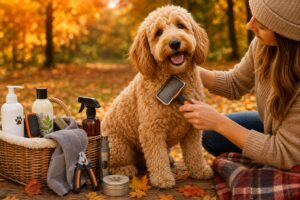
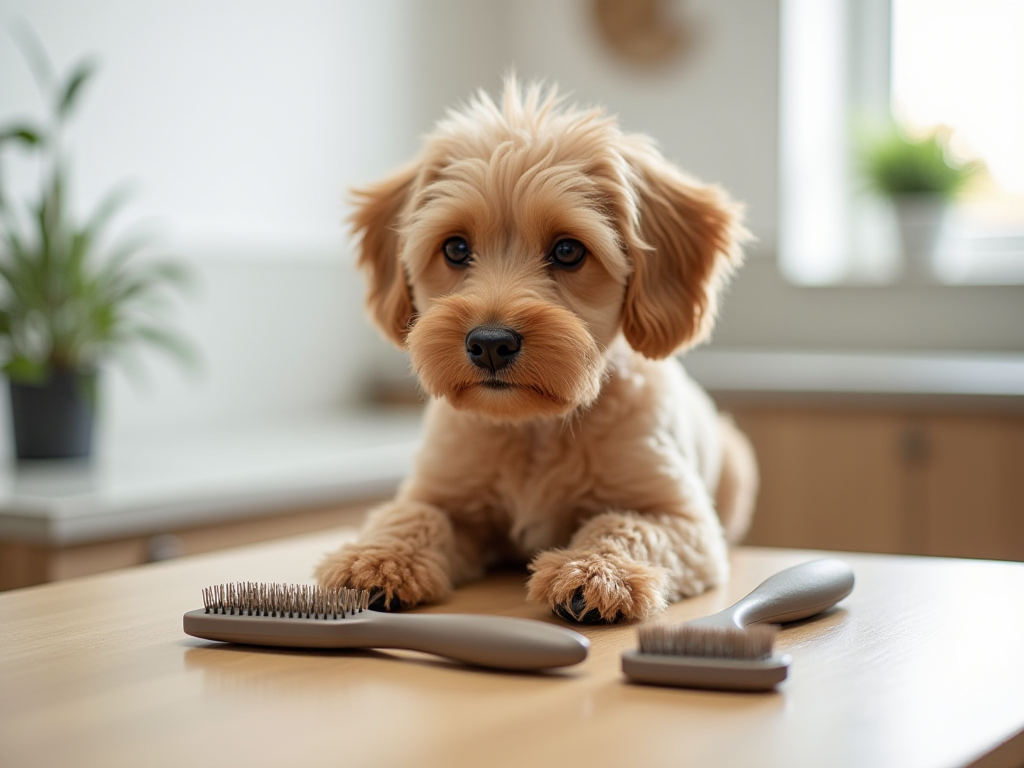
For many dogs, a soft slicker brush and a metal comb are a good starting point. The slicker loosens surface fluff and small knots. The comb checks whether the coat is actually clear near the skin.
Short-haired dogs often do better with a bristle brush or grooming glove. Thick double coats, such as German Shepherds and some Golden Retrievers, may need an undercoat rake during shedding season. Use it carefully and never drag it through knots.
Choose by coat type, not by the prettiest brush
Curly and woolly coats
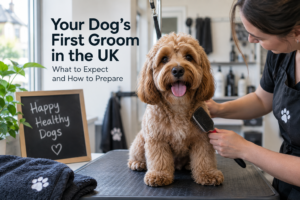
Cockapoos, Cavapoos, Poodles and similar coats can mat quickly, especially behind the ears, under the legs and around the collar. A gentle slicker brush helps lift the coat, but the metal comb is what tells you if knots are still hiding underneath.
Check dog slicker brushes on Amazon
Long or silky coats
Cocker Spaniels, Shih Tzus and long-coated breeds often need slow line brushing rather than a quick brush over the top. Work in small sections. If the comb catches, do not yank it through. That is when dogs start hating grooming.
Check dog grooming combs on Amazon
Double coats
Labradors, German Shepherds and Golden Retrievers can shed a surprising amount. An undercoat rake can help remove loose undercoat, but it is not a daily scraping tool. A few careful passes are better than overworking the same area.
Check undercoat rakes on Amazon
Short coats and nervous dogs
French Bulldogs, Dachshunds and other short-coated dogs usually do not need heavy detangling tools. A soft bristle brush or grooming glove can remove loose hair without making brushing feel like a battle.
Check dog grooming gloves on Amazon
What pet owners often get wrong
- Only brushing the top of the coat and missing mats close to the skin.
- Using too much pressure with a slicker brush.
- Pulling at knots instead of teasing them out slowly.
- Buying a de-shedding tool for a coat that needs gentle detangling instead.
- Waiting until the coat is already matted before asking a groomer for help.
Before you buy
- Check your dog’s coat. Short, curly, long, wire, woolly and double coats need different tools.
- Look at the pins. Sharp or harsh pins can irritate the skin if used badly.
- Pick the right size. A tiny brush on a large dog turns grooming into a chore. A huge brush on a small dog is awkward.
- Think about your dog’s mood. If your dog is nervous, start with a softer tool and short sessions.
- Clean the brush easily. If it is annoying to clean, you will use it less.
When to ask a groomer
If your dog has tight mats, sore skin, sudden coat changes or panic around brushing, speak to a qualified groomer or vet. Pulling at mats can hurt. It can also make the next grooming session much harder.
Find pet care with BookMyGroomer
Need help with brushing, detangling or a full groom? BookMyGroomer helps UK pet owners browse local pet care professionals.